Quick Cuts
Accelerating cut patternMetric tension
Quick cuts editing strings shots shorter than a breath, so duration itself becomes rhythm, pressure, or music. Each side of a join is a full view from a changing setup; the meaning is the rate, not a skip inside one frame.

Narrative function
Eyes, hands, a kit, a face, the room, the stick, faster. You feel a release coming before the last hit lands.
Pace is the meaning. A sudden hold in that pattern can be the climax.
Use it when acceleration or a metric pulse should do narrative work: a showdown tightening from bodies to eyes, a raid, a practice that becomes punishment. It is the wrong tool when the similar frame is losing time: that is a Jump Cut.
It is the wrong tool when you are withholding the complete event in shards: that is Fragments. Faster is not always more tense.
Contrast between acceleration and a held pause often carries the payoff.
How it works
Design a duration curve and a progression of shot sizes. Alternate angles enough that each cut is a new view, not a hole in one view.
Use musical or physical accents selectively; not every splice must land on a beat. Prompt: quick cuts around [Subject], shots shorter than a breath, rhythm as violence or music.
When to use it
Use it to tighten a duel, a performance, a chase through hands and gauges. Do not use it on a conversation that needs air.
If the pattern never rests, the last hit has nowhere to land.
Compared with similar shots
A Jump Cut is a skip inside a similar setup. A Crash Cut is one brutal join.
Montage may use short shots, but montage's job is collision of meaning or collapsed months; quick cuts' job is rate. Fragments hide the whole action; quick cuts often show the action in many complete, brief views.
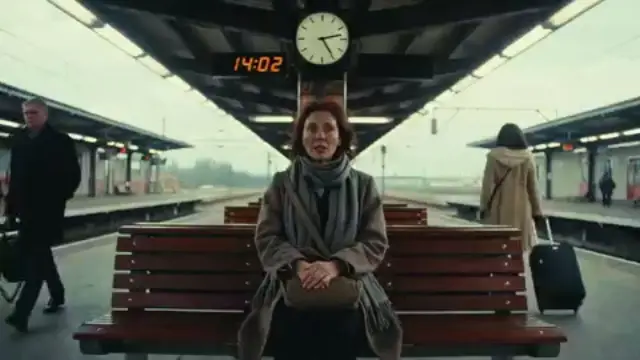
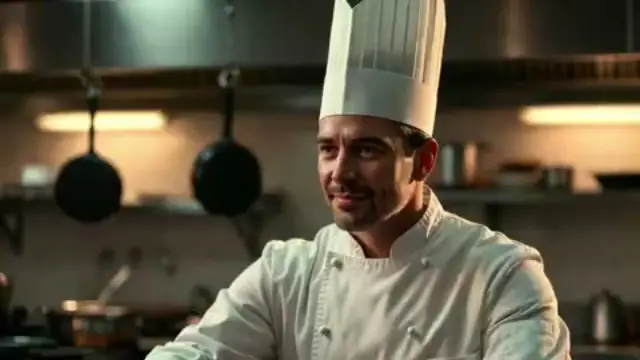
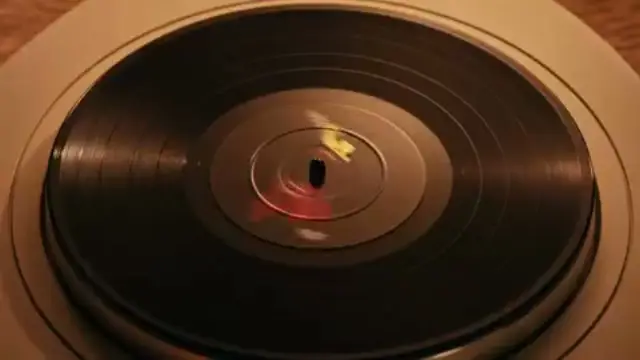
In film
The Good, the Bad and the Ugly tightens the three-way showdown from bodies and positions toward faces and eyes. Whiplash binds image duration to pressure and rhythm.
Mad Max: Fury Road and Requiem for a Dream use short shots as pulse. Steal the curve, not the coverage plan.
- The Good, the Bad and the Ugly 1966The three-way showdown tightens from bodies and positions toward faces and eyes.
- Whiplash 2014Performance passages bind image duration to pressure and rhythm.
Prompt it
Quick cuts around [Subject], shots shorter than a breath, rhythm as violence or music. List a progression of sizes (wide to eyes, or hands to kit) and a duration curve.
For video, many distinct angles, short holds, no morph, and one planned pause if you need a landing.
What usually goes wrong
The usual wrong cousin is Jump Cut (same frame, missing time) or chaos with no curve. The tell: every shot is the same length and size, or the camera never changes axis.
The fix: new views, shortening (or a designed break), a last image that can resolve the pulse.
Questions
What is Quick Cuts in film?
Quick cuts are a run of very short shots from changing setups, so duration becomes rhythm. Each side of a join is a new view; the rate is the meaning.
Quick Cuts vs Jump Cut
A jump cut skips time inside a similar framing. Quick cuts change angle, size, or subject every breath. One is a hole in a setup; the other is a metric pattern.
When should I use Quick Cuts?
Use it when pace should tighten a duel, a performance, or a chase. Do not use it as default coverage, and do not confuse it with a jump inside one frame.
How do I prompt Quick Cuts for AI image or video?
Ask for many short, distinct shots and a duration curve. Example: Quick cuts around [Subject], shots shorter than a breath, rhythm as violence or music. Name the progression of sizes.