Macro
Extreme-detail photographyPlan macro
Macro cinematography is close-focusing optics that let a small object or surface occupy the image at high reproduction scale, often near 1:1. An unusually close view turns texture, insects, eyes, or mechanisms into the entire shot.

Narrative function
The plot becomes a centimeter. A pill, a watch gear, a drop, a pupil: the object is no longer an insert in a room, it is the room.
Depth of field collapses to a millimeter, so a breath or a rack is a traverse across a landscape of pores. It is the wrong tool when you only wanted a tight face.
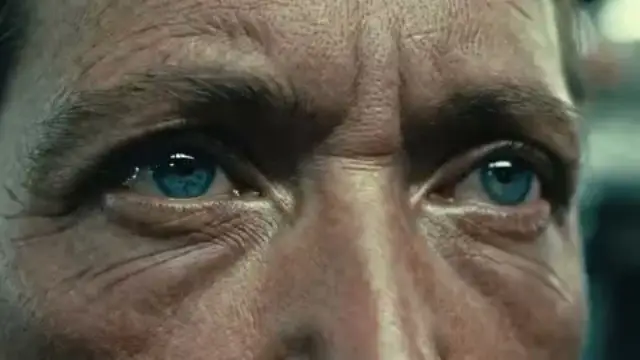
An Extreme Close-Up of an eye can be a long lens from a foot away; that is a crop, not macro scale. A normal close-up enlarged in post does not automatically have convincing macro texture or depth of field.
If you need to travel through a glass or a machine, that is a Probe Lens.
How it works
Use a macro lens or close-focus setup, stabilize the object, and light for surface texture (small hard sources show relief; wrap shows translucency). Anticipate shallow depth of field and tiny focus changes.
Working distance is short; watch your own shadow. Magnification is image size over object size, not the shot-size name.
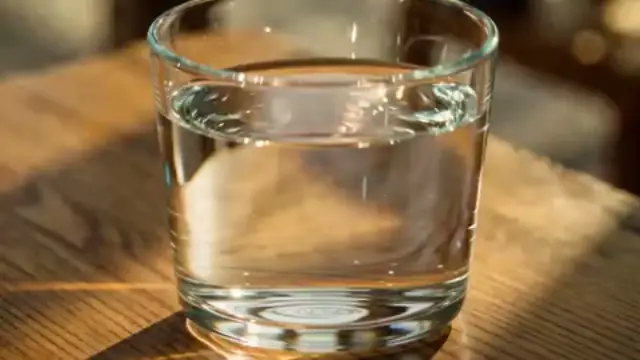
Prompt: Macro lens on a detail of [Subject], insects of texture, an eye, a watch, a drop of rain, a world in a centimeter.
When to use it
Use it when the plot is microscopic: a ritual of pills, a bug, a lock mechanism. Do not use it as a synonym for close-up, and do not blow up a normal portrait and call it macro.
Compared with similar shots
Extreme Close-Up is a framing size; it may or may not use macro optics. Insert Shot is a story object in the cut, any size.
Probe Lens is a long barrel that can enter tiny spaces with a wide-ish view. Magnification is the scale number; macro is one optical way to get it.
In film
Requiem for a Dream repeats extreme-detail images so rituals compress into sensory fragments. Amélie turns ordinary objects into tactile small pleasures.
Microcosmos treats insects as full-scale drama. Grammar of close-focus scale, not a copied frame of a pupil.
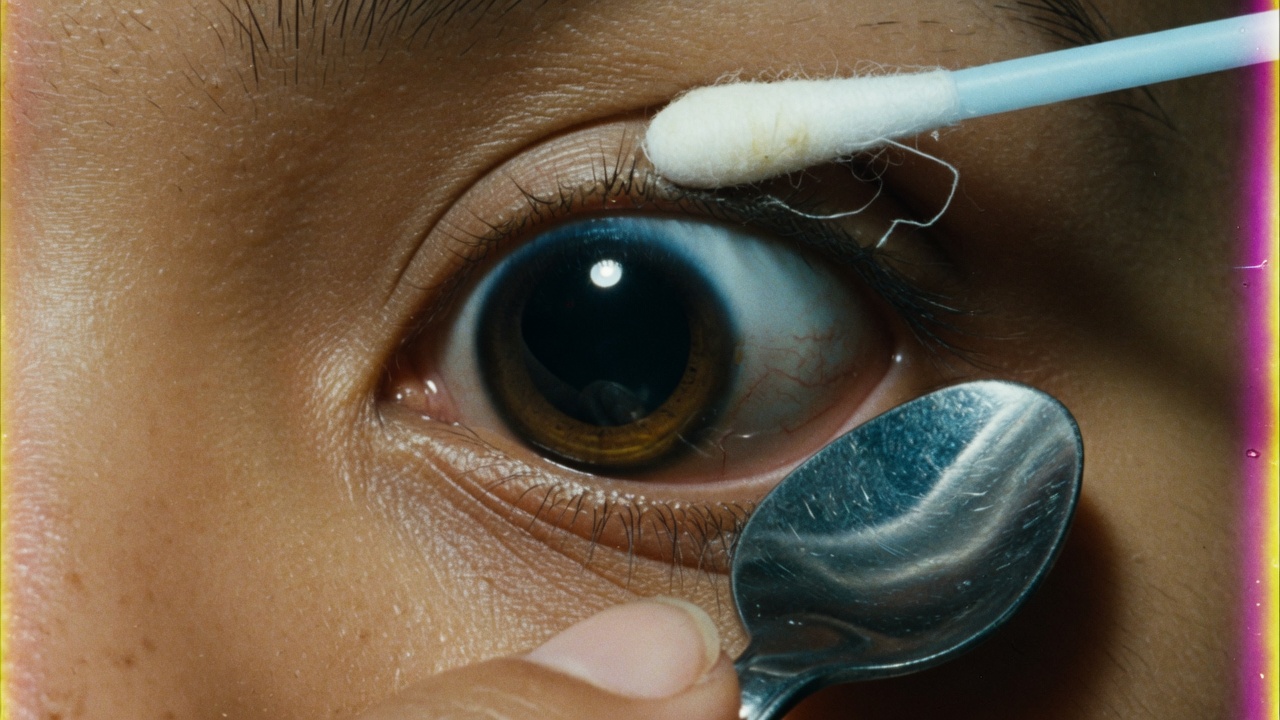 Requiem for a Dream 2000Repeated extreme-detail images compress rituals into sensory fragments.
 Amélie 2001Tactile details turn ordinary objects and actions into small pleasures.
Prompt it
Name the optic and the centimeter. Macro lens on a detail of [Subject], insects of texture, an eye, a watch, a drop of rain, a world in a centimeter.
State 1:1 or similar scale, razor-thin focus, real surface texture. Do not write close-up of a face unless the face feature is truly macro-scaled.
What usually goes wrong
The usual wrong cousin is an Extreme Close-Up made with a portrait lens, or a zoomed crop. The tell is normal skin-pore size with deep-ish focus, or a whole face labeled macro.
Fix: small object filling the sensor, true close-focus falloff, texture lit as terrain.
Questions
What is macro in film?
It is close-focusing photography that reproduces a small object at high scale, often around life-size on the sensor. Texture and tiny depth of field become the image.
Macro vs Extreme Close-Up
An extreme close-up is a crop of a feature, possible with a long lens from a foot away. Macro is an optical scale: a small object occupies the frame at high magnification with true close-focus depth of field.
When should I use macro?
Use it when a tiny object or surface is the scene. Skip it for ordinary portraits and for inserts that are merely tight, not close-focus.
How do I prompt macro for AI image or video?
Write: Macro lens on a detail of [Subject], a world in a centimeter, razor-thin focus, surface texture. Name the object. Forbid ordinary close-up and probe-through-a-tunnel unless you want those.