Extreme Long Shot (ELS)
ELSextreme wideEWSExtreme-wide scale contrast
An extreme long shot makes environment, scale, geography, or isolation dominant over individual detail. A person, if present, is a speck: a scale mark, not a portrait.
Narrative function
An ELS turns size into the emotion: awe, insignificance, loneliness, ambition. The small anchor lets the audience measure a space that would otherwise be abstract.
The land, the station, the spillway, or the void is the subject. It is the wrong tool when you still need a face, a costume, or even a clearly posed full figure.
It is also the wrong tool without a readable reference: huge architecture with no human, vehicle, or known object can look like a miniature. Use it when scale is the point, then come in when a person must act.
How it works
Keep the scale reference detectable through contrast, motion, or placement. Deep focus so terrain layers read; without depth cues the space flattens into a model.
An Aerial Pullback can arrive here by moving; the size itself can be a lock-off from a ridge or a high vantage. Prompt: Extreme long shot of [Subject] as a speck against vast terrain, landscape as the true subject.
When to use it
Use it when scale is the emotion: a yellow coat at the base of a spillway, a rider swallowed by desert, a craft against a planet. Do not omit a readable reference object, and do not use it to cover dialogue.
Compared with similar shots
A Long Shot still presents a locatable full figure in large geography. A Wide Shot lets place speak inside coverage; bodies are small but not necessarily specks.
An Establishing Shot is a function that often uses this size but can also be a sign or a building. ELS is speck-scale.
Aerial Pullback is a move that can end on this size.

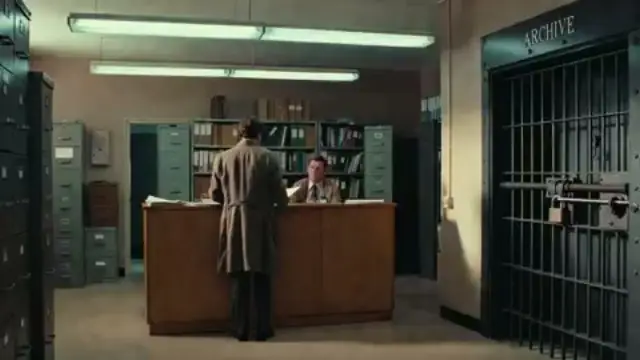
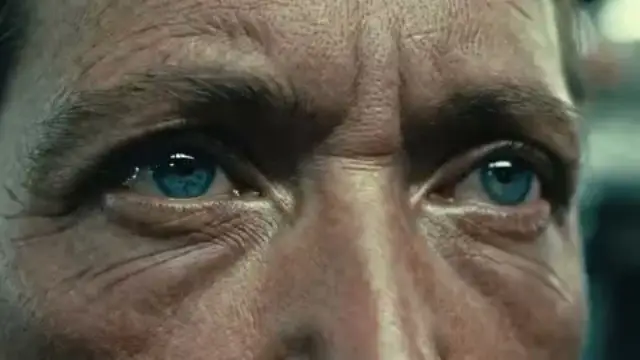
In film
Lawrence of Arabia lets figures and riders occupy vast desert until they are marks in sand. 2001: A Space Odyssey sets small human or spacecraft elements against immense environments.
Nomadland uses wide country the same way: the van and the body as scale, the land as subject. Grammar: measure the world, do not portrait the person.
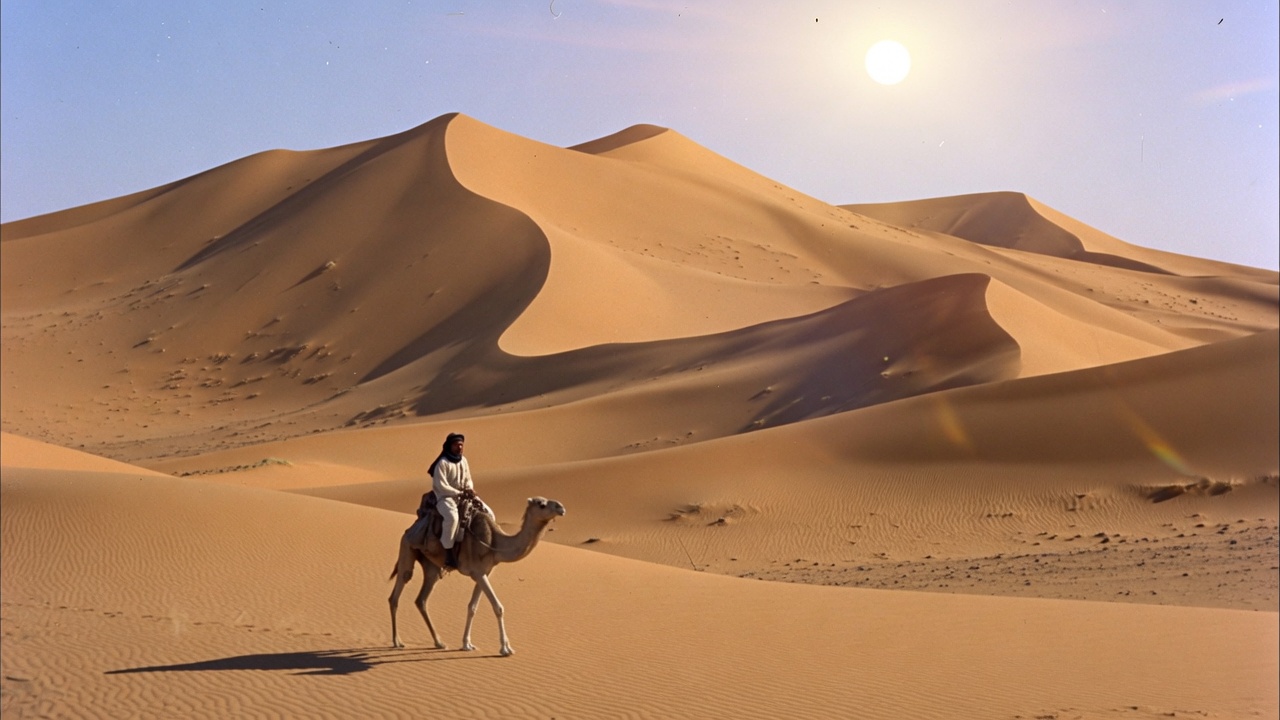 Lawrence of Arabia 1962Figures and riders occupy vast expanses of desert.
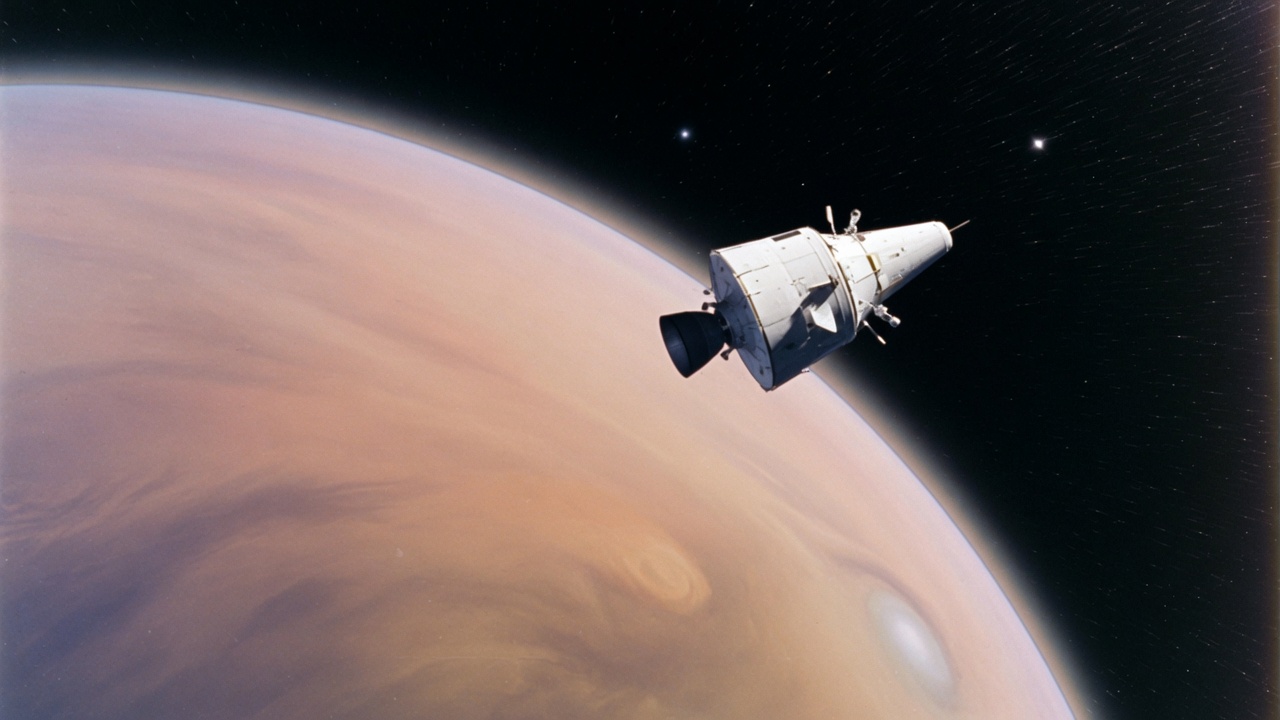 2001: A Space Odyssey 1968Small human or spacecraft elements are set against immense environments.
Prompt it
Say speck and name the terrain. Example: Extreme long shot of [Subject] as a speck against vast terrain, infinite depth of field, landscape as the true subject.
Demand a detectable human-scale reference. For video, a tiny walk or a dust veil helps the figure read; a locked empty canyon with no marker will look like a maquette.
What usually goes wrong
The usual wrong cousin is a Long Shot (person still a clear figure) or an Establishing Shot that is really a building postcard with no scale. The tell is a readable full-body pose, or a vast space that looks like a tabletop.
Fix: shrink the human to a mark, keep them findable, add depth cues.
Questions
What is Extreme Long Shot in film?
An extreme long shot makes environment and scale the subject, with any person reduced to a small reference in a much larger landscape or structure. Individual facial detail is gone on purpose.
Extreme Long Shot vs Long Shot
A long shot still shows a full, locatable figure in large geography. An extreme long shot makes that figure a speck and hands the frame to terrain, architecture, or sky. If you can costume-read the person, you are probably still in long shot.
When should I use Extreme Long Shot?
Use it when scale is the emotion and you have a readable human or object as a measuring stick. Do not use it for talk, and do not shoot empty vastness with no reference.
How do I prompt Extreme Long Shot for AI image or video?
Write Extreme long shot of [Subject] as a speck against vast terrain, landscape as the true subject. Keep the scale reference detectable. Ask for deep focus and environmental depth cues so it does not look like a miniature.