Video Portraits
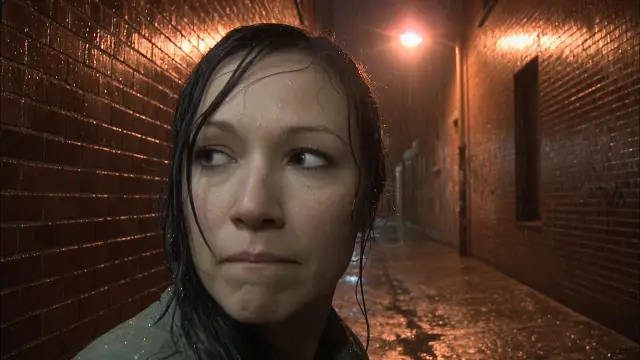
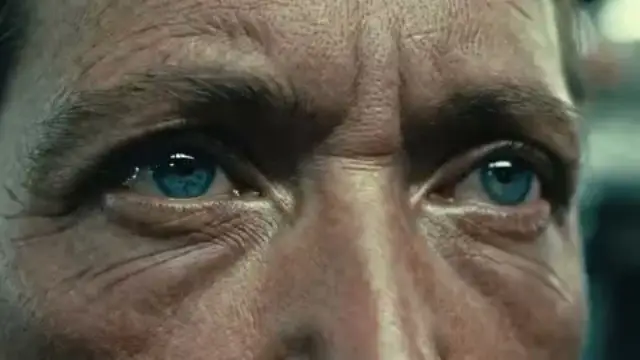
A video portrait is a sustained, simply covered study of one person: stable size, patient time, the face as the whole event. Duration is the intimacy; a person is enough.

Narrative function
A video portrait is not a close-up you cut away from after a line. You hold.
Blink, breath, a swallow, the tiny life in the face becomes the content. It sits closer to a painting that is allowed to live than to dialogue coverage.
It is the wrong tool when you need ping-pong coverage, a story insert, or a camera tour of the room. It is also the wrong tool if you freeze everything except one looping element: that is a cinemagraph.
Here the person is alive in small ways, and time is the point.
How it works
Lock the camera. Size a Close-Up or Medium Close-Up.
Light a simple, stable key. Hold long enough that duration registers (several seconds, sometimes much more).
No motivated move unless a tiny push is the brief. Prompt still: Video portrait of [Subject], a held face, duration as intimacy.
Motion brief: A long held portrait of [Subject], tiny life in the face, almost still.
When to use it
Use it when a person is enough: a Screen Test, a study, an almost-still that breathes. Do not add a tour, and do not cut away the moment a thought appears; the hold is the piece.
Compared with similar shots
A Close-Up is a size used inside coverage; it usually leaves. A Cinemagraph freezes most of the image and loops one isolated motion.
A Single is occupancy of one body in scene coverage. A video portrait is duration plus stillness of a person as the entire event.
Interview testimony has a questioner; this may have none.

In film
Warhol's Screen Tests are the plain grammar: a person, a hold, time doing the work. The Irishman uses long, patient close-ups of faces that are allowed to sit, related in duration if not in art-historical setup.
Grammar: hold the person.
Prompt it
Demand the hold. Still: Video portrait of [Subject], a held face, duration as intimacy.
Video: A long held portrait of [Subject], tiny life in the face, almost still. Forbid camera travel.
Allow blink, breath, a swallow. Do not write cinemagraph unless only one element should move.
What usually goes wrong
The usual wrong cousin is a dialogue Close-Up that wants a reverse, or a Cinemagraph with a frozen body and a looping steam jet. The tell is a camera move, a cut on a line, or a dead freeze.
Fix: lock off, keep the person slightly alive, hold.
Questions
What is Video Portraits in film?
A video portrait is a sustained study of one person at a stable size, with time itself as the intimacy. The face (or figure) is the whole event, almost still, with only tiny life in the features.
Video Portraits vs Close-Up
A close-up is a crop that often exists to deliver a line or a reaction, then leave. A video portrait uses a similar crop but stays: duration is the point. If you are about to cut to the other person, you are in coverage, not in a portrait study.
When should I use Video Portraits?
Use it when a person is enough and holding is the piece. Do not use it for ordinary shot/reverse, and do not turn it into a looping cinemagraph unless that is the brief.
How do I prompt Video Portraits for AI image or video?
Write Video portrait of [Subject], a held face, duration as intimacy. For motion: A long held portrait of [Subject], tiny life in the face, almost still. Lock the camera. Allow only blink, breath, or a swallow.